Agriculture Jobs in Estonia with Visa Sponsorship in 2026
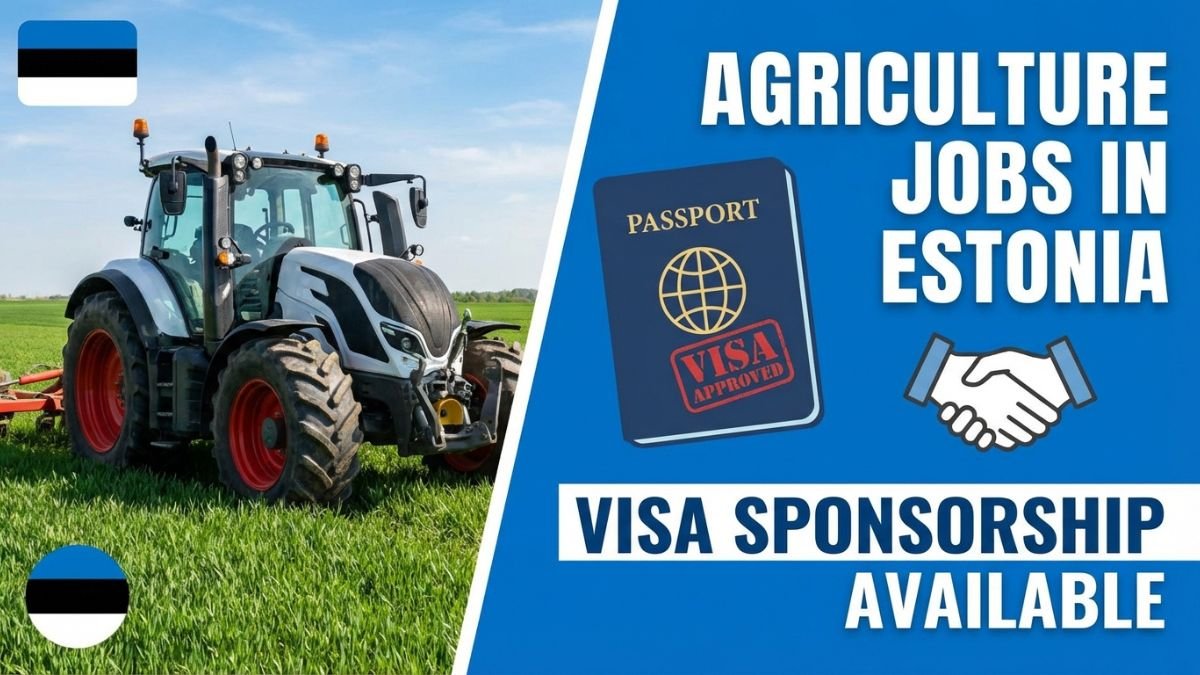
Estonia is a country in Northern Europe that has a high demand for agricultural workers. Many farms in Estonia look for people from other countries to help with various tasks like harvesting, animal care, and packing produce.
For those living outside the European Union, these jobs often come with visa sponsorship. This means the employer helps you get the legal permission needed to live and work in the country.

Agricultural work in Estonia is perfect for individuals who may not have high-level degrees or specialized technical skills. It is a sector that values hard work, physical fitness, and the ability to follow instructions.
Common Agriculture Jobs for Unskilled Workers
Farms in Estonia vary in size and type. Depending on the season, different types of laborers are needed. Most of these roles are entry-level and do not require prior experience.
Fruit and Berry Picking
This is the most common seasonal job. Estonia has many farms that grow strawberries, blueberries, and raspberries.
- Tasks: Selecting ripe fruit, hand-picking without damaging the plants, and placing fruit into crates.
- Season: Mostly during the summer months.
Dairy Farm Assistance
Estonia has a strong dairy industry. Cows are a major part of the agricultural economy here.

- Tasks: Cleaning the barns, feeding the animals, and helping with the milking process.
- Requirements: You must be comfortable working around large animals and be able to handle early morning shifts.
Greenhouse and Vegetable Farming
Greenhouses allow for growing vegetables like cucumbers, tomatoes, and herbs even when the weather is cold.
- Tasks: Planting seeds, weeding, watering, and harvesting vegetables. Some workers are also responsible for packing the vegetables for shops.
Warehouse and Packing Roles
Once the food is harvested, it needs to be sorted and prepared for delivery.
- Tasks: Sorting good produce from bad, weighing bags, labeling boxes, and loading them onto trucks.
Understanding the Visa Sponsorship Process
If you are coming from a non-EU country, you cannot simply show up and start working. You need a legal work permit. In Estonia, “visa sponsorship” usually happens through two main steps managed by your employer and the Police and Border Guard Board (PBGB).
1. Short-Term Employment Registration
For jobs that last less than a year (like seasonal harvesting), your employer must register your employment with the PBGB. This is a fast process that usually takes about 15 working days. Once registered, you are legally allowed to work for that specific employer.
2. The Long-Stay (D) Visa
After your employment is registered, you apply for a D-visa at an Estonian embassy in your home country. This visa allows you to stay in Estonia for up to 365 days.
3. Temporary Residence Permit
If the job is for a longer period (more than a year), you will need to apply for a temporary residence permit for employment. This permit is usually granted for up to five years and can be renewed.
Requirements for Applicants
Even for unskilled jobs, there are certain standards you must meet to be successful in your application and visa process.
- Valid Passport: Your passport must be valid for at least three months after you plan to leave Estonia.
- Clean Criminal Record: You must provide a document from your home country proving you have no criminal history.
- Health Insurance: You need travel or health insurance with a minimum coverage of €30,000 that is valid in the Schengen area.
- Physical Fitness: Farming is physically demanding. You will likely spend long hours standing, bending, or lifting heavy boxes.
- Basic Communication: While you don’t need to be fluent in Estonian, having basic English or Russian is often necessary to understand safety instructions and daily tasks.
Wages and Benefits in Estonian Agriculture
Working in Estonia provides a stable income compared to many other regions. The country has a set minimum wage that all legal employers must follow.
Salary and Working Hours Table
| Item | Details |
| Minimum Gross Monthly Wage | Approximately €886 – €900 |
| Minimum Hourly Rate | Approximately €5.31 – €5.36 |
| Standard Work Week | 40 hours (5 days a week) |
| Overtime | Often available during peak harvest seasons |
| Estimated Net Monthly Pay | Around €810 (after taxes) |
Additional Benefits
Many agricultural employers understand that foreign workers need help settling in. Therefore, they often provide:
- Accommodation: Small rooms on or near the farm are frequently provided for a very low cost or for free.
- Transport: Some employers provide transport from the housing to the work site.
- Work Gear: Farmers usually provide necessary equipment like gloves, boots, or raincoats.
How to Find and Apply for These Jobs
Finding a legitimate job is the first step toward sponsorship. Avoid paying unofficial agents for “guaranteed” jobs; instead, use official channels.
- Estonian Unemployment Insurance Fund (Töötukassa): This is a government-run portal where many farms post their vacancies.
- EURES (European Employment Services): A network that connects workers with employers across Europe.
- Private Job Portals: Websites like CV.ee and CVKeskus.ee are the most popular private platforms in Estonia.
- Direct Contact: You can search for large Estonian agricultural companies like Sagro (vegetables) or dairy cooperatives and check their “Careers” page.
Steps to Apply for a Job
- Prepare a CV: Keep it simple. List your name, contact info, and any manual labor experience you have (even if it wasn’t on a farm).
- Submit Your Application: Send your CV through the job portals mentioned above.
- Attend an Interview: Many employers will use video calls (like WhatsApp or Skype) to talk to you before sending a contract.
- Receive Your Contract: Do not apply for a visa until you have a signed work contract and your employer has registered your employment.
Important Points to Remember
Estonia is a digital-first country. Once you arrive, you will likely receive an Estonian ID code. This code is very important as it allows you to access healthcare, open a bank account, and sign documents electronically.
It is also vital to know your rights. Every worker in Estonia is protected by the Employment Contracts Act. This law ensures you are paid on time, have breaks, and work in a safe environment. If an employer asks you to work without a contract or for less than the minimum wage, they are breaking the law.