Laboratory Assistant Jobs in USA with Visa Sponsorship
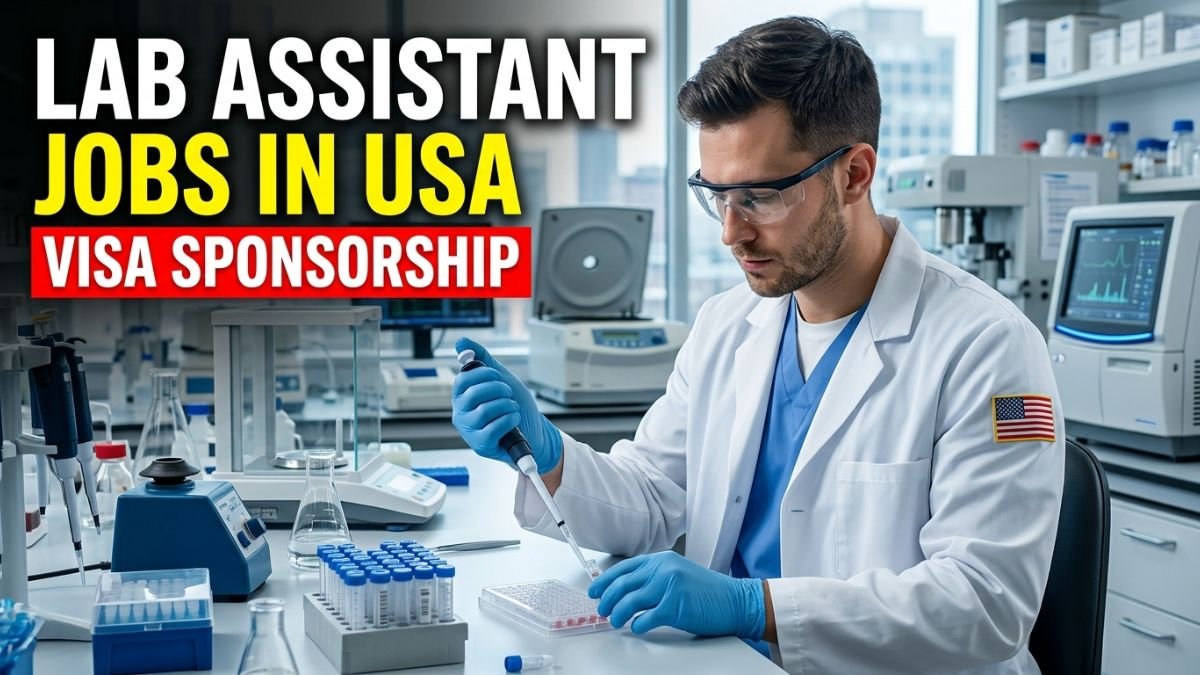
The United States healthcare and research sectors continuously need qualified laboratory assistants to support medical testing, scientific research, and clinical operations. For international workers seeking opportunities in American laboratories, positions with visa sponsorship represent a pathway to building a career in the medical and scientific fields.
Understanding Laboratory Assistant Positions
Laboratory assistants work in hospitals, research facilities, pharmaceutical companies, and diagnostic centers. These professionals support lab technicians and scientists by preparing specimens, maintaining equipment, managing inventory, and ensuring clean work environments. The role requires attention to detail, basic scientific knowledge, and the ability to follow strict safety protocols.

Many employers recognize the value international workers bring to their teams. Some healthcare facilities and research institutions offer visa sponsorship to fill positions when qualified local candidates are unavailable. This creates opportunities for foreign workers who meet the required qualifications.
Required Qualifications and Skills
Most laboratory assistant positions require a high school diploma or equivalent. Some employers prefer candidates with associate degrees in laboratory science, biology, or related fields. Previous experience in laboratory settings provides an advantage but is not always mandatory.
Essential skills include basic computer literacy, organizational abilities, and good communication. Physical stamina matters because the job involves standing for extended periods and lifting supplies. Attention to safety procedures is critical when handling biological specimens and chemicals.
Employers typically provide on-the-job training to familiarize new hires with specific laboratory protocols and equipment. This training period helps workers adapt to American laboratory standards and workplace culture.

Visa Sponsorship Options
Companies that sponsor international workers typically use employment-based visa categories. The H-1B visa serves professional workers, though laboratory assistant positions may not always qualify under this category’s specialty occupation requirements. The H-2B visa covers temporary non-agricultural workers and may apply to certain laboratory positions.
Some employers use the J-1 visa for training programs or the O-1 visa for individuals with extraordinary abilities in sciences. Each visa type has specific requirements, processing times, and duration limits. Applicants should verify which visa category their potential employer offers before accepting a position.
The sponsorship process requires employers to file petitions with U.S. Citizenship and Immigration Services. This involves demonstrating the need for foreign workers and compliance with labor regulations. Processing times vary depending on the visa category and current government workloads.
Salary and Compensation
Laboratory assistant salaries in the United States vary by location, experience, and employer type. Entry-level positions typically start around $30,000 to $35,000 annually. Experienced assistants in major metropolitan areas or specialized research facilities may earn $40,000 to $50,000 per year.
Benefits packages often include health insurance, paid time off, and retirement savings plans. Some employers offer continuing education opportunities and professional development programs. Overtime pay may be available for positions requiring extended hours.
Job Responsibilities and Daily Tasks
Laboratory assistants perform various duties that keep labs running efficiently. Common responsibilities include:
- Collecting and labeling specimens according to established protocols
- Preparing samples for testing and analysis
- Cleaning and sterilizing laboratory equipment and workspaces
- Maintaining inventory of supplies and reagents
- Recording data and maintaining accurate documentation
- Following safety guidelines and infection control procedures
- Assisting senior laboratory staff with complex procedures
- Operating basic laboratory instruments under supervision
The specific tasks depend on the laboratory type. Hospital labs focus on patient specimens, while research facilities may involve experimental protocols. Quality control and documentation remain consistent priorities across all settings.
Finding Employers Who Sponsor Visas
Identifying employers willing to sponsor visas requires research and persistence. Large hospital systems, university research centers, and pharmaceutical companies are more likely to have experience with visa sponsorship processes. These organizations often have dedicated human resources departments that handle immigration paperwork.
Job search strategies include visiting hospital and research institution websites directly, using professional networking platforms, and contacting staffing agencies specializing in healthcare placements. Some organizations explicitly mention visa sponsorship in job postings, while others may consider it for exceptional candidates.
Networking with professionals already working in American laboratories can provide insights into which employers sponsor international workers. Professional associations related to clinical laboratory science sometimes offer job boards and career resources.
Application Process Tips
Strong applications highlight relevant education, laboratory experience, and technical skills. Resumes should clearly present qualifications in formats familiar to American employers. Cover letters should explain interest in the specific position and willingness to relocate.
Certifications from recognized organizations strengthen applications. The American Society for Clinical Pathology offers certification programs that employers recognize. International education credentials may require evaluation by approved agencies to verify equivalency to U.S. standards.
Interview preparation should include research about the employer’s laboratory focus and understanding of American workplace expectations. Demonstrating knowledge of safety regulations and quality control standards shows professionalism.
Work Environment and Career Growth
Laboratory assistants work in controlled indoor environments with proper ventilation and safety equipment. The role requires following strict protocols to prevent contamination and ensure accurate results. Shift work may be necessary in hospitals that operate around the clock.
Career advancement opportunities exist for dedicated workers. Experience as a laboratory assistant can lead to positions as medical laboratory technicians or technologists with additional education. Some workers pursue specialized areas like microbiology, hematology, or molecular diagnostics.
Challenges to Consider
Working in the United States presents adjustment challenges for international workers. Cultural differences, healthcare system variations, and living expenses require preparation. Immigration processes can be lengthy and require patience.
Maintaining visa status requires continuous employment with the sponsoring employer. Changing jobs may necessitate new visa applications. Understanding these limitations helps workers make informed decisions about accepting sponsored positions.
Final Considerations
Laboratory assistant positions with visa sponsorship offer genuine opportunities for international workers seeking careers in American healthcare and research sectors. Success requires meeting qualification standards, finding suitable employers, and navigating immigration procedures. While the process demands effort and persistence, these positions provide valuable professional experience and potential pathways to long-term residency in the United States.
