Agriculture Jobs in Sweden with Visa Sponsorship 2026
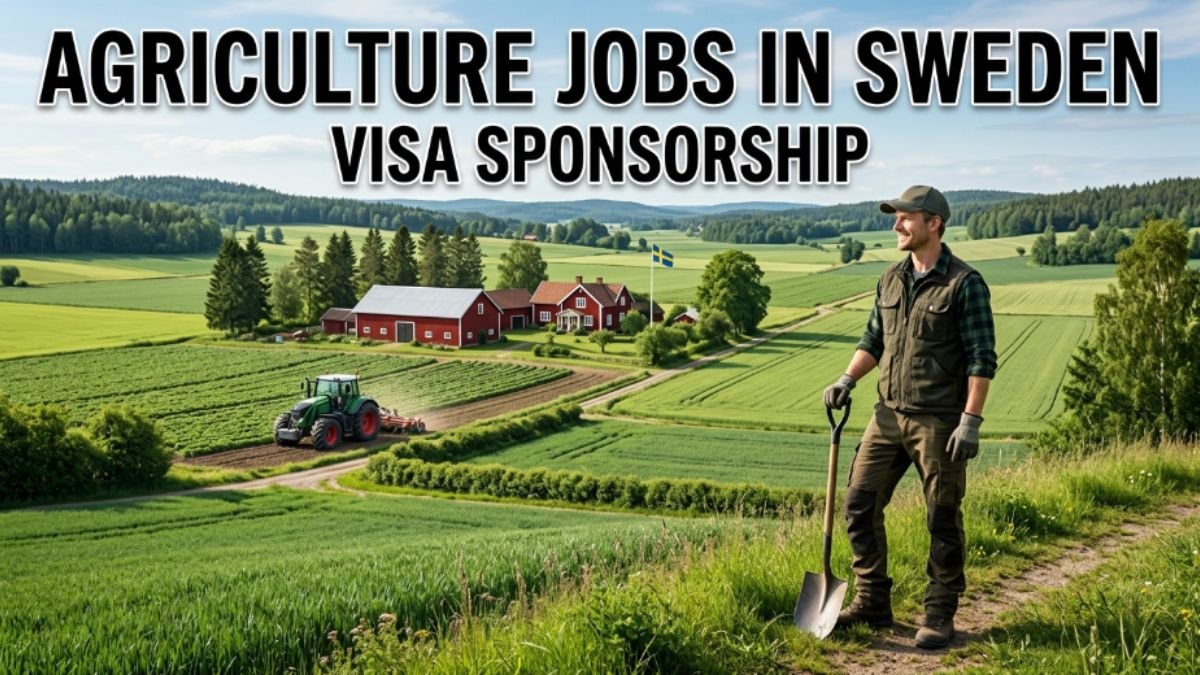
Sweden’s farming sector regularly hires foreign workers to fill gaps in crop production, dairy farming, greenhouse work, and general labor. For unskilled and less-skilled job seekers, this is one of the more realistic entry points into legal European employment, since many farms accept candidates with little formal training as long as they are willing to work hard and adjust to rural life.
Why Sweden Hires Foreign Agricultural Workers
Sweden has a shrinking rural workforce, and many young Swedes move to cities instead of staying in farming communities. This gap creates steady demand for outside labor, especially during planting and harvest periods when farms need extra hands quickly. Dairy, livestock, horticulture, and crop farms all rely on this seasonal boost to keep operations running smoothly.

Foreign labor fills roles that are physically demanding and time-sensitive, such as:
- Harvesting fruits and vegetables
- Planting and weeding crops
- Feeding and caring for livestock
- Operating basic farm machinery
- Working in greenhouses and nurseries
- General maintenance and cleaning on farms
Employers must first show they could not find a suitable worker within Sweden or the wider EU/EEA before hiring from outside that zone. Once that requirement is met, they can sponsor a foreign worker’s permit.
Types of Agricultural Work Permits
There are two main pathways non-EU/EEA citizens use to work legally on Swedish farms.
Seasonal work permit: This applies to jobs that can only be done during specific times of year, such as harvest season. As of mid-2026, the permitted period for seasonal work was extended from six months up to nine months within any twelve-month period. This permit is the most common route for unskilled farm labor because it matches the short-term nature of much agricultural work.

Standard work permit: This is used for longer-term or year-round farming roles, such as livestock care or machine operation. This route generally requires the job to meet Sweden’s general salary threshold for work permits, which is tied to a percentage of the national median wage and updates annually.
Basic Requirements to Qualify
Before applying, make sure you can meet these conditions, since Migrationsverket (the Swedish Migration Agency) checks each one closely:
- A signed employment contract from a registered Swedish employer
- A job offer that meets the applicable salary requirement for the permit type
- Employment terms that match Swedish collective agreements or standard industry practice
- Access to housing that meets basic health and safety standards
- A valid passport for your entire stay
- Proof of comprehensive health insurance if your stay will be one year or less
For seasonal work specifically, your salary must be at least equal to the minimum full-time pay set out in the relevant Swedish collective agreement or common industry practice, even if you are working part-time. You cannot combine two different jobs to meet this requirement; one qualifying job offer is required.
How Much You Can Expect to Earn
Wages depend on the type of farm work, your experience, and whether the job is seasonal or year-round. The table below gives a general idea based on current market patterns.
| Role | Typical Monthly Pay (SEK) | Permit Type |
|---|---|---|
| Fruit and vegetable harvester | 24,000 – 28,000 | Seasonal |
| Greenhouse or nursery worker | 24,000 – 27,000 | Seasonal |
| General farm laborer | 22,000 – 26,000 | Seasonal |
| Dairy or livestock farm assistant | 26,000 – 31,000 | Standard |
| Farm machinery operator | 27,000 – 33,000 | Standard |
These figures are approximate and vary by employer, region, and collective agreement. Always confirm the exact salary in your written job offer before accepting.
Step-by-Step Application Process
Getting hired for a farm job with visa sponsorship generally follows this order:
- Search for verified openings. Use platforms such as the EURES job portal, Arbetsförmedlingen (Sweden’s public employment service), and reputable job boards. Avoid any listing asking for upfront payment for a job offer or visa processing.
- Apply directly with the employer. Submit a simple resume highlighting any farm, physical labor, or outdoor work experience, even if informal.
- Receive and review the job offer. Check that the salary, housing terms, and job description are clearly stated in writing.
- Employer starts the permit process. The Swedish employer submits the required employment details to Migrationsverket through their online system.
- You complete your part of the application. Once your employer’s part is registered, you provide your passport details, photos, and supporting documents.
- Wait for a decision. Processing time varies, and seasonal permits are often processed faster than standard work permits.
- Travel to Sweden. Once approved, you can travel and begin work according to the dates on your permit.
Documents You Will Likely Need
- Valid passport with enough validity for the full work period
- Signed employment contract
- Proof of housing arranged by the employer
- Health insurance documentation, if applicable
- Any relevant experience letters or informal references
Practical Tips for Applicants
- Apply only through employers or portals you can verify are genuine; legitimate Swedish employers do not usually charge job seekers a fee to arrange sponsorship.
- Keep copies of every document you submit, including the job offer and contract.
- Learn a few basic Swedish phrases; while many farm supervisors speak English, some local coworkers may not.
- Ask the employer directly about housing conditions and any deductions from your salary before signing anything.
- Confirm whether the role is seasonal or year-round, since this changes your permit type and how long you can legally stay.
Life on a Swedish Farm
Rural work in Sweden usually means early mornings, physical activity, and close teamwork with a small group of colleagues. Many farms provide on-site or nearby housing, and some include meals as part of the package, though this varies by employer and should always be confirmed in writing. Workers are covered under Swedish labor protections regardless of nationality, including entitlement to rest periods, safe working conditions, and access to healthcare through their insurance during the permit period.
Final Thoughts
Agricultural jobs in Sweden offer a genuine and legal route into European employment for workers without advanced qualifications, provided the job offer and permit application meet Migrationsverket’s requirements. Focus your search on verified employers, understand whether you qualify for a seasonal or standard permit, and confirm every detail of pay and housing before you commit. Doing this groundwork carefully gives you the best chance of a smooth transition into farm work in Sweden.