Housekeeping Jobs in Netherlands for English Speakers 2026
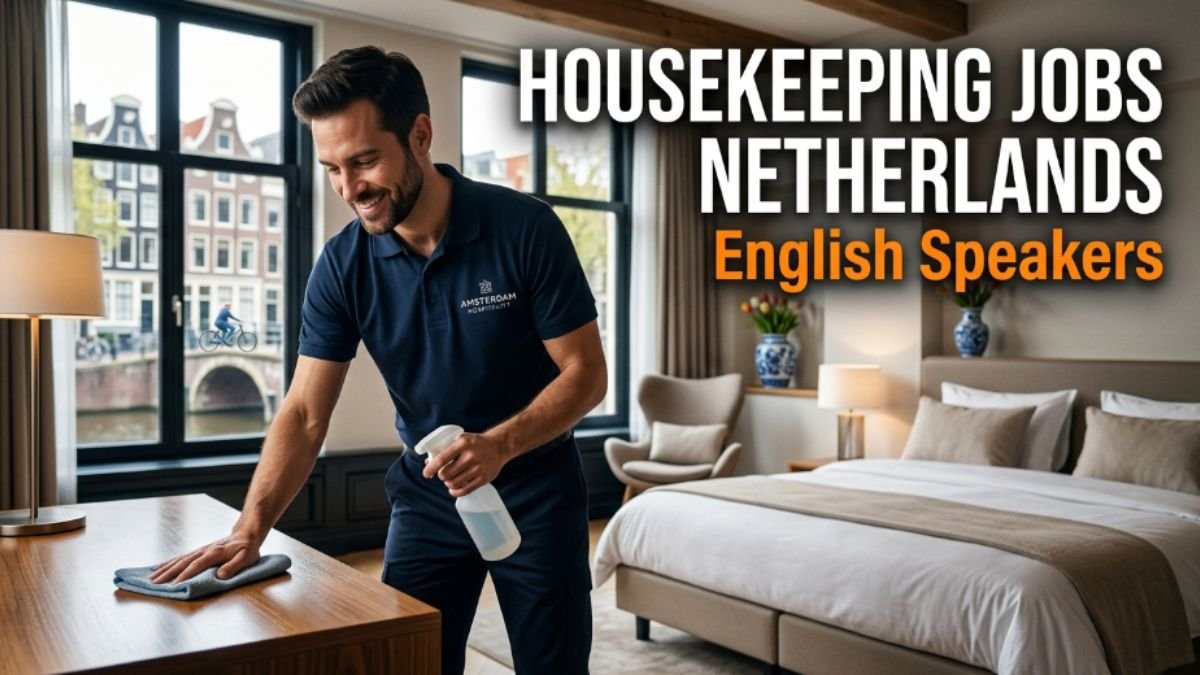
The Netherlands is one of the most accessible European countries for international workers, and English speakers have a real advantage here. More than 90% of the Dutch population speaks English fluently, which means the language barrier is minimal.
Hotels, resorts, holiday parks, and private households across the country are actively hiring housekeeping staff, and many of these roles do not require Dutch language skills to get started.

If you are looking for steady, hands-on work in Europe with fair pay and strong worker protections, the Dutch housekeeping sector is worth a serious look.
Why the Netherlands Is a Good Choice for Housekeeping Work
The Netherlands has a strong labour market with consistent demand for cleaning and hospitality workers. The country offers legally protected employment, meaning your wages, working hours, and leave entitlements are backed by national law. The work environment is generally professional, multilingual, and well-organised.
Several factors make it attractive for English-speaking job seekers:
- Over 90% of Dutch people speak English, so communication at work is manageable
- The legal minimum wage is among the highest in Europe
- Employers are required by law to provide written employment contracts
- Workers are entitled to paid annual leave and sick pay
- The country has a well-functioning public transport system, making commuting practical
Types of Housekeeping Jobs Available
There are several types of housekeeping roles available in the Netherlands, suited to different skills and preferences.

Hotel Housekeeping: This is the most common role. Duties include cleaning and preparing guest rooms, changing bed linen, restocking toiletries, vacuuming, and sanitising bathrooms. Hotels in Amsterdam, Rotterdam, Utrecht, The Hague, and Eindhoven regularly hire for these positions.
Holiday Park and Resort Cleaning: The Netherlands has a large holiday park industry. These roles involve cleaning accommodation units between guest check-ins and maintaining shared facilities. Many holiday parks hire seasonal staff and sometimes provide on-site accommodation.
Private Household Cleaning: Some households hire domestic cleaners on a part-time or full-time basis. Duties often include general cleaning, laundry, and sometimes light meal preparation or grocery errands.
Janitorial and Commercial Cleaning: Offices, schools, and commercial buildings also hire cleaning staff. These roles tend to follow fixed daytime or early-morning schedules, which many workers prefer.
Housekeeping Supervisor: For those with some experience, supervisory roles involve coordinating a cleaning team, inspecting completed rooms, managing supply stock, and ensuring quality standards are maintained.
Skills and Requirements
Most housekeeping roles in the Netherlands are open to workers without formal qualifications. Employers focus more on reliability, physical fitness, and a good attitude than on academic credentials.
General requirements include:
- Minimum age of 18 years
- Physical ability to stand, bend, lift, and move throughout a shift
- Basic understanding of English (Dutch is a bonus but rarely required for entry-level roles)
- Clean background check (required by most formal employers)
- Valid work authorisation or eligibility to work in the EU
Prior experience in cleaning or hospitality is preferred but not always required. Some employers provide on-the-job training, especially at larger hotels and resort chains.
Housekeeping Salary in the Netherlands
Pay in the Dutch housekeeping sector is regulated by national minimum wage law, which is adjusted twice a year. The rates below reflect current figures.
| Worker Category | Hourly Rate (Gross) |
|---|---|
| Minimum wage (age 21+) | €14.71 |
| Experienced hotel housekeeper | €15.52 – €17.05 |
| Housekeeping supervisor | €17.00 – €19.00 |
| Youth wage (age 20) | €11.77 |
| Youth wage (age 19) | €8.83 |
In addition to base pay, most employers provide:
- 8% annual holiday allowance (vakantiegeld) on top of your salary
- Paid annual leave (minimum 20 days per year for full-time workers)
- Paid sick leave
- Pension contributions
- Travel or transport reimbursement in some cases
The legal minimum for adults aged 21 and over is €14.71 per hour as of January 2026, making the Netherlands one of the better-paying countries in Europe for entry-level work.
Work Permits and Visa Information for Non-EU Workers
EU and EEA citizens can work in the Netherlands without any permit. If you are from outside the EU, the process involves your employer applying for authorisation on your behalf.
For standard labour roles like housekeeping, your employer typically applies for a Single Permit (GVVA), which combines a work permit and residence permit in one application. The employer must demonstrate that the role could not be filled by a local or EU candidate, though this requirement may be waived in sectors with ongoing labour shortages.
Key steps for non-EU applicants:
- Secure a job offer from a Dutch employer
- The employer applies to the IND (Immigration and Naturalisation Service) on your behalf
- Your application is reviewed, usually within a few weeks to a few months
- Once approved, you receive a residence and work permit
Some employers work through registered payroll or recruitment agencies, which can also act as your legal sponsor. This is a legitimate and common arrangement in the Netherlands.
You will also need to register with your local municipality (gemeente) to obtain a BSN (Burger Service Number), which is required for payroll, tax, and social security purposes.
Where to Find Housekeeping Jobs in the Netherlands
Several platforms list verified housekeeping vacancies in the Netherlands:
- Indeed Netherlands (indeed.com/nl) – Large volume of hotel and domestic cleaning jobs
- Glassdoor Netherlands – Lists roles from major hotel chains with salary data
- LinkedIn – Useful for connecting with recruiters and hospitality employers
- NLnest.com – Focuses specifically on jobs in the Netherlands for international workers
- Recruitment agencies – Agencies such as Randstad, Tempo-Team, and Manpower regularly fill hospitality and cleaning vacancies
When applying, tailor your CV to Dutch standards. Keep it concise, include a short personal profile, and highlight any cleaning or hospitality experience you have. A brief cover letter in English is acceptable and shows professionalism.
What to Expect on the Job
Housekeeping shifts in the Netherlands typically run from morning to early afternoon, often between 08:00 and 15:00. Full-time roles are generally 38 to 40 hours per week, but part-time options are also widely available.
The work is physical and requires attention to detail. You will be expected to maintain consistent standards across rooms and complete your assigned areas within a set timeframe. Teamwork is common, as many hotels operate with groups of housekeepers working together on each floor or section.
Final Thoughts
Housekeeping jobs in the Netherlands offer fair wages, legal protections, and a clear path into the European job market. For English speakers without formal qualifications, this sector is one of the most accessible entry points. Whether you are from within the EU or applying from abroad, the Dutch hospitality and cleaning industry provides stable, paid work with genuine employment rights.
The demand for reliable housekeeping staff remains consistent, particularly in tourist-heavy cities and holiday park regions. If you meet the basic requirements and are ready to work, the opportunities are real and reachable.