Supermarket Jobs in Australia with Work Visa 2026
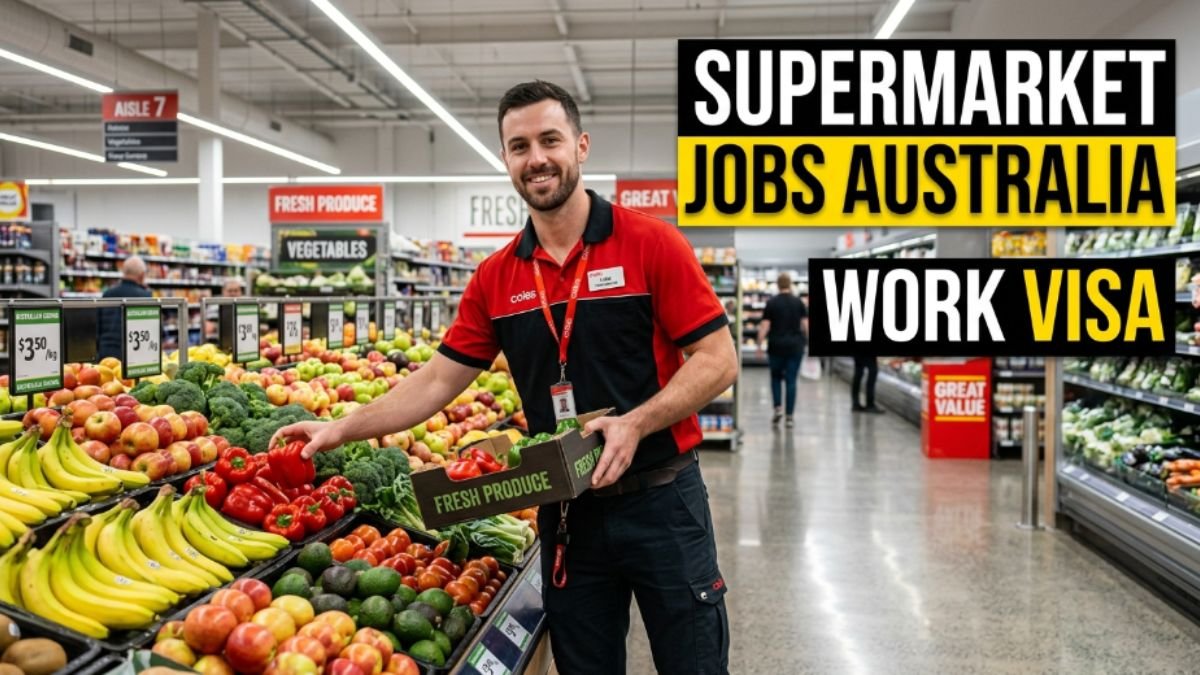
Australia’s retail sector keeps growing, and supermarkets are at the center of that growth. Woolworths, Coles, ALDI, IGA, and many independent grocery chains are hiring workers across the country, and a good number of these positions are open to foreign applicants through employer-sponsored work visas.
For people with little or no formal qualifications, supermarket work is one of the easiest ways to enter the Australian job market and start earning a stable income.

Why Supermarket Jobs Attract Foreign Workers
Supermarkets never stop needing staff. Shelves must be stocked, customers need help at the checkout, and online grocery orders must be picked and packed every day. This constant demand means supermarkets are almost always hiring, and many stores are open to sponsoring reliable workers, especially in regional and rural towns where local staff are harder to find.
These jobs also require little prior experience. Employers usually train new staff on the job, so applicants without a retail background can still qualify. Add flexible shift options, staff discounts, and a clear day-to-day routine, and it is easy to see why supermarket roles are popular among migrant workers.
Common Supermarket Job Roles for Foreign Workers
Most entry-level supermarket positions fall into a few main categories:
- Cashier or Checkout Operator – Scanning items, handling payments, and assisting customers at the till.
- Shelf Stocker (Stock Replenisher) – Restocking shelves, rotating stock, and keeping displays tidy.
- Store Assistant – A general role covering customer service, cleaning, and light inventory work.
- Trolley Collector – Gathering trolleys from the car park and keeping the entrance area clear.
- Warehouse Picker and Packer – Sorting and preparing grocery orders at a distribution or fulfilment centre.
- Cleaner – Maintaining hygiene standards across the store, including floors, shelves, and restrooms.
Each role involves physical activity such as standing for long periods, lifting stock, or walking through the store repeatedly, so reasonable physical fitness is important.

Typical Pay for Supermarket Workers
Wages depend on the role, location, and whether the position is full-time, part-time, or casual. The table below gives a general idea of what supermarket workers can expect.
| Role | Hourly Pay (AUD) | Approximate Annual Pay (AUD) |
|---|---|---|
| Cashier / Checkout Operator | 21 – 26 | 44,000 – 50,000 |
| Shelf Stocker | 22 – 28 | 46,000 – 54,000 |
| Store Assistant | 23 – 28 | 48,000 – 55,000 |
| Warehouse Picker / Packer | 22 – 29 | 46,000 – 58,000 |
| Cleaner / Trolley Collector | 21 – 25 | 44,000 – 50,000 |
Australia’s national minimum wage currently sits at AUD 20.33 per hour, or around AUD 772.60 for a standard 38-hour week before tax, so most supermarket roles pay at or above this baseline. Chains such as ALDI are often known for offering slightly higher starting wages compared to other supermarkets.
Visa Options for Supermarket Workers
Foreign nationals cannot simply walk into Australia and start working. A valid visa that permits employment is required, and the right visa depends on individual circumstances. The most relevant options for supermarket jobs include:
- Temporary Skill Shortage (TSS) Visa, Subclass 482 – Employer-sponsored visa for workers filling roles that businesses cannot easily fill locally, common in regional supermarkets facing staff shortages.
- Working Holiday Visa, Subclass 417 or 462 – Suited to younger applicants from eligible countries who want short-term work, including casual supermarket shifts, while travelling.
- Designated Area Migration Agreement (DAMA) – Used by some regional employers to sponsor workers for positions, including retail roles, in areas with recognised labour shortages.
Visa eligibility, sponsorship approval, and processing all depend on the employer and the applicant’s individual situation, so it is important to check current requirements directly through the Department of Home Affairs website before applying.
General Requirements to Apply
While each visa category has its own conditions, most supermarket job applications share a few common requirements:
- A confirmed job offer from an Australian employer approved to sponsor overseas workers.
- Basic to functional English communication skills for daily customer interaction.
- Physical ability to stand, lift, and move for extended periods during shifts.
- A clean police clearance certificate.
- A valid passport and, in some cases, a basic medical check.
- Applicants are generally expected to fall within a working age range, commonly between 18 and 45 years, though this can vary by visa type and employer.
How to Apply for a Supermarket Job in Australia
- Search active listings on supermarket career pages such as Woolworths Careers, Coles Careers, and ALDI Careers, as well as job portals like Seek and Indeed. Searching with terms like “visa sponsorship” or “482 visa” alongside the job title can help narrow results.
- Prepare a simple resume that highlights any customer service, cleaning, or general work experience, even if it is not specifically retail-related.
- Apply directly through the employer’s website or the job portal listing, following the exact application steps provided.
- Attend an interview, which may be conducted online for overseas applicants.
- Confirm sponsorship details with the employer once a job offer is made, and begin the visa application process with the correct visa subclass.
- Arrange travel and accommodation once the visa is approved, aligning your arrival with the agreed start date.
Final Thoughts
Supermarket jobs offer a realistic and accessible pathway into the Australian workforce for people without advanced qualifications. With steady demand, fair hourly pay, and visa sponsorship available through certain employers, roles such as cashier, shelf stocker, and warehouse packer remain some of the most practical entry points for foreign workers seeking employment in Australia.
Checking official supermarket career pages regularly and confirming visa details through verified government sources will give applicants the best chance of securing a genuine, sponsored position.