Sewing Jobs in USA with Visa Sponsorship 2026
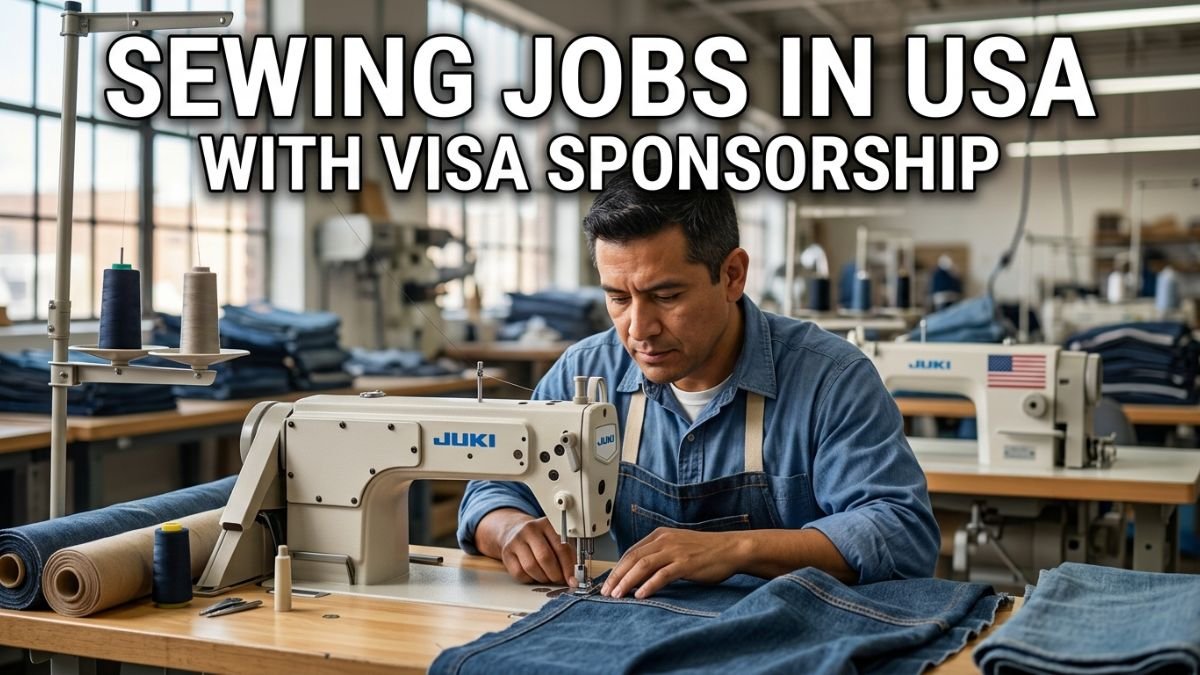
The United States garment and textile industry continues to employ thousands of workers in sewing positions across the country.
For international workers seeking opportunities in this field, understanding visa sponsorship options can open doors to legitimate employment in American factories, alteration shops, and manufacturing facilities.

Understanding Sewing Positions Available
Sewing jobs in the USA cover various roles within the textile and garment manufacturing sector. These positions typically require basic to intermediate sewing skills rather than advanced education.
Common sewing positions include:
- Industrial sewing machine operators
- Garment assembly workers
- Textile production workers
- Alteration specialists
- Quality control inspectors
- Pattern cutters
- Sample makers
- Upholstery workers
Manufacturing facilities across states like California, New York, Texas, North Carolina, and Georgia regularly hire sewing professionals. These locations house significant garment production operations and often need skilled workers to maintain production levels.
Visa Categories for Sewing Workers
International workers can pursue sewing jobs in the USA through specific visa programs designed for skilled and unskilled labor positions.

The H-2B visa serves as the primary option for temporary non-agricultural workers. This visa allows employers to bring foreign workers to the United States when they cannot find enough American workers to fill positions. The program requires employers to demonstrate genuine need and follow specific recruitment procedures.
The EB-3 visa category includes positions for skilled workers, professionals, and unskilled workers. Some garment manufacturers use this permanent residency pathway to hire experienced sewing professionals who possess specialized skills.
Typical Job Requirements
Most sewing positions in American factories require basic qualifications that focus on practical skills rather than formal education.
Physical requirements often include:
- Ability to sit for extended periods
- Good hand-eye coordination
- Attention to detail
- Physical stamina for repetitive tasks
- Basic understanding of garment construction
Experience levels vary by employer. Entry-level positions may accept workers with minimal experience, while specialized roles require demonstrated expertise with industrial equipment.
Salary Expectations and Benefits
Sewing workers in the USA typically earn hourly wages that vary based on location, experience, and employer size. Entry-level positions generally start between $11 and $15 per hour, while experienced workers can earn $16 to $22 per hour or more.
| Position Level | Typical Hourly Rate | Annual Salary Range |
|---|---|---|
| Entry Level | $11 – $15 | $22,000 – $31,000 |
| Experienced | $15 – $19 | $31,000 – $39,000 |
| Specialized/Lead | $19 – $25 | $39,000 – $52,000 |
Many employers provide benefits packages that include health insurance, paid time off, and retirement contributions. Visa-sponsored positions often include additional support such as housing assistance or transportation allowances during initial settlement periods.
Finding Legitimate Employers
Identifying genuine visa sponsorship opportunities requires careful research and verification. Legitimate employers register with the US Department of Labor and follow proper legal procedures for hiring international workers.
Workers should focus their search on:
- Established garment manufacturers with physical factory locations
- Companies listed in Department of Labor H-2B disclosure databases
- Businesses with verified track records of employing international workers
- Staffing agencies specializing in textile industry placements
Red flags include requests for upfront payment, promises of guaranteed visa approval, or employers unwilling to provide detailed company information. Authentic sponsorship processes never require workers to pay fees directly to employers.
Application Process Steps
Securing a sewing job with visa sponsorship follows a structured timeline that begins with employer recruitment and ends with visa approval.
The typical process includes:
- Employer posts job opening and conducts recruitment
- Worker submits application with resume and references
- Employer conducts interviews and selects candidates
- Company files necessary petitions with immigration authorities
- Worker receives approval notice and applies for visa at embassy
- Visa interview and document submission
- Travel arrangements and arrival in USA
This entire process can take several months to over a year depending on visa category and government processing times.
Skills That Improve Hiring Chances
While basic sewing ability opens doors, additional capabilities make candidates more attractive to potential employers. Workers who demonstrate proficiency with industrial sewing machines stand out during recruitment.
Valuable skills include:
- Experience with sergers and overlock machines
- Knowledge of different fabric types and handling requirements
- Basic pattern reading abilities
- Quality control understanding
- Ability to meet production quotas
- Flexibility to work different shifts
Language skills also matter. While fluent English is not always mandatory, basic communication abilities help workers follow safety instructions and collaborate with supervisors.
Living and Working Conditions
International workers should understand workplace expectations in American garment factories. Most facilities maintain climate-controlled environments with proper lighting and safety equipment. Employers must follow Occupational Safety and Health Administration regulations.
Work schedules typically involve 40-hour weeks, though some facilities offer overtime opportunities. Shift work is common in larger manufacturing operations that run multiple production lines throughout the day and evening.
Housing options vary by location. Some employers assist with initial accommodation arrangements, while others expect workers to secure their own housing. Cost of living differs significantly between major cities and smaller manufacturing towns.
Important Considerations
Workers pursuing these opportunities should verify all information directly with employers and consult official government resources. The US Citizenship and Immigration Services website provides current visa requirements and processing information.
Success in securing visa-sponsored sewing positions requires patience, realistic expectations, and thorough research. Workers should maintain copies of all documents, track application timelines, and stay in regular communication with potential employers throughout the process.