Poultry Farm Worker Jobs in Canada with Visa Sponsorship
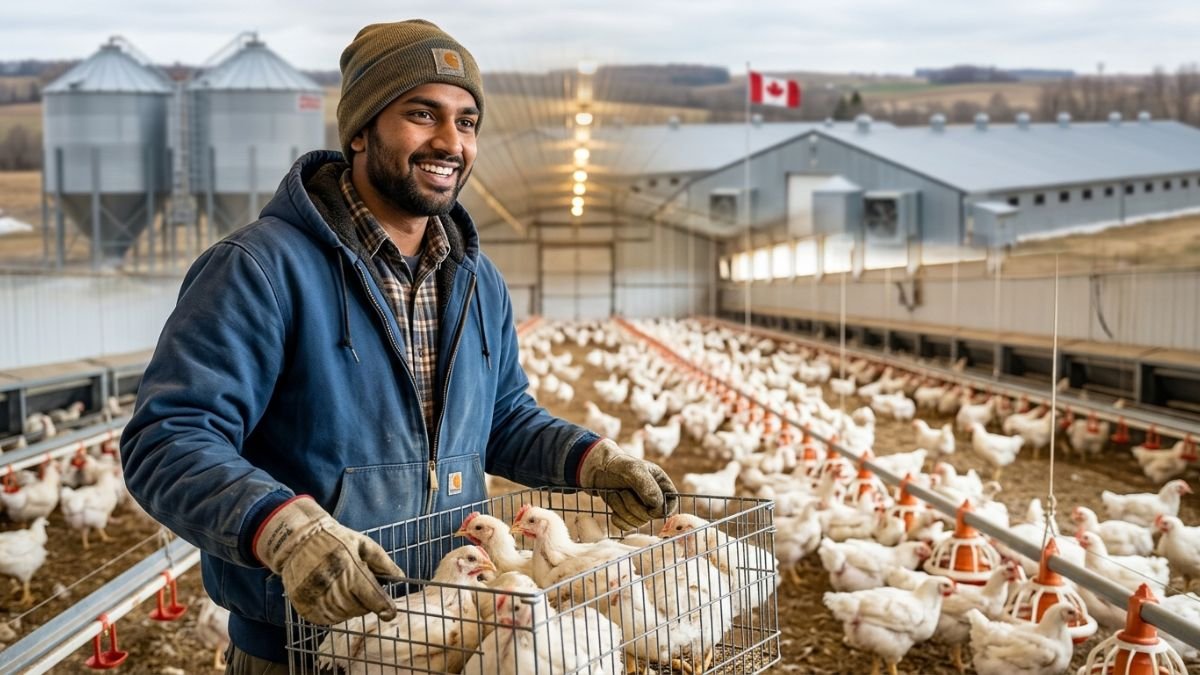
Canada’s agricultural sector continues to experience significant growth, creating numerous employment opportunities for international workers. The poultry farming industry stands out as one of the most accessible pathways for foreign workers seeking employment with visa sponsorship. This sector welcomes individuals with limited formal education or specialized skills, making it an excellent option for those looking to build a career in Canada.
Understanding Poultry Farm Work in Canada
Poultry farm workers perform essential tasks that keep Canada’s food production system running smoothly. These positions involve caring for chickens, turkeys, and other birds raised for meat and egg production. Workers handle daily feeding routines, monitor bird health, maintain clean housing facilities, and assist with harvesting operations. The work requires physical stamina and a willingness to work in various weather conditions, but most employers provide comprehensive on-the-job training.

The Canadian poultry industry produces billions of pounds of chicken and turkey annually, supplying both domestic markets and international exports. This consistent demand creates stable employment opportunities throughout the year. Many farms operate continuously, requiring workers across multiple shifts including early mornings, evenings, and weekends.
Visa Sponsorship Opportunities for Foreign Workers
Canadian poultry farms actively recruit international workers through the Temporary Foreign Worker Program. Employers who cannot find sufficient local workers obtain Labor Market Impact Assessments, which allow them to hire foreign nationals. This government-approved process ensures that hiring international workers does not negatively affect the Canadian labor market.
Many poultry operations sponsor workers under specific immigration streams designed for agricultural workers. The sponsorship process typically begins when an employer identifies a suitable candidate and commits to supporting their work permit application. Successful applicants receive authorization to work legally in Canada for a specified employer and duration.
Job Responsibilities and Daily Tasks
Workers in poultry farming perform various duties depending on the farm’s size and production type. Common responsibilities include distributing feed and water to birds multiple times daily, collecting eggs in layer operations, and monitoring flock behavior for signs of illness or distress. Workers also clean and disinfect barns, remove waste materials, and prepare housing areas for new flocks.

Additional tasks may involve:
- Assisting with bird vaccination programs
- Recording production data and health observations
- Operating basic farm equipment and machinery
- Helping with loading and transportation activities
- Maintaining biosecurity protocols to prevent disease spread
- Performing minor repairs and maintenance on farm structures
Physical demands include standing for extended periods, lifting feed bags weighing up to 50 pounds, and working in environments with temperature variations. Despite these challenges, most workers adapt quickly with proper training and support from experienced staff.
Salary Expectations and Benefits
Poultry farm workers in Canada typically earn between CAD 14 to CAD 18 per hour, depending on location, experience, and specific job duties. Some provinces offer higher wages due to regional labor shortages or higher living costs. Workers usually receive payment on a biweekly or monthly schedule.
Many employers provide additional benefits including accommodation, either on-site or nearby, which significantly reduces living expenses for international workers. Some farms offer subsidized or free housing as part of the employment package. Health insurance coverage may be available after a probationary period, and workers contribute to Canada’s employment insurance and pension programs.
Overtime opportunities exist during peak production periods, allowing workers to increase their earnings. Full-time positions typically offer 40 to 44 hours per week, with additional hours available during busy seasons.
Required Qualifications and Skills
Poultry farm positions require minimal formal education, making them accessible to workers from diverse backgrounds. Most employers accept candidates who have completed basic primary education. No previous farming experience is mandatory, though it can be advantageous during the application process.
Essential qualities include physical fitness, reliability, and willingness to follow instructions carefully. Workers must demonstrate attention to detail when monitoring bird health and maintaining records. Basic English or French language skills help with communication, though many farms employ multilingual supervisors to assist international workers.
Successful candidates typically possess:
- Good work ethic and punctuality
- Ability to work independently and as part of a team
- Comfort working with animals
- Adaptability to routine tasks
- Basic mathematical skills for counting and measuring feed
- Willingness to learn new procedures
How to Find Poultry Farm Jobs with Sponsorship
Several legitimate channels connect international workers with Canadian poultry farms offering visa sponsorship. The Government of Canada’s Job Bank website lists verified agricultural positions, including those offering support for foreign workers. Provincial agricultural associations often maintain job boards specifically for farming positions.
Registered recruitment agencies specializing in agricultural labor can assist with matching workers to suitable employers. These agencies handle preliminary screening and help prepare application materials. Workers should verify that any agency is licensed and operates transparently without charging excessive fees.
Direct applications to large poultry farming companies can be effective. Many established operations maintain human resources departments that handle international recruitment. Research companies operating in provinces with significant poultry production, such as Ontario, Quebec, British Columbia, and Alberta.
Application Process Steps
The application process begins with preparing basic documents including a valid passport, educational certificates, and any employment references. Workers should create a simple resume highlighting relevant skills and work history, even if not farm-related.
After identifying potential employers, submit applications through official channels. If selected, the employer initiates the Labor Market Impact Assessment process. Once approved, workers receive a job offer letter, which serves as a key document for the work permit application.
The work permit application requires completing government forms, paying processing fees, and potentially attending a visa interview at a Canadian embassy or consulate. Processing times vary by country and application volume, typically ranging from several weeks to a few months.
Living and Working Conditions
International workers in Canadian poultry farming generally experience safe working environments with strict adherence to labor standards. Federal and provincial regulations protect worker rights, including minimum wage laws, maximum working hours, and mandatory rest periods.
Most farms provide orientation programs covering safety procedures, equipment operation, and biosecurity measures. Workers receive protective equipment such as coveralls, boots, and gloves. Modern poultry facilities increasingly use automated systems, reducing some physical demands while requiring workers to learn basic technology operations.
Community support networks exist in areas with significant agricultural worker populations. Many rural Canadian communities welcome international workers, offering cultural integration programs and social activities. Access to essential services including grocery stores, medical facilities, and banking is typically available within reasonable distances.
Pathways to Permanent Residence
Working in Canada’s agricultural sector can lead to permanent residence opportunities. Programs such as the Agri-Food Immigration Pilot specifically target workers in farming occupations, including poultry production. This pathway requires at least one year of work experience in eligible positions and meeting language and education requirements.
Provincial Nominee Programs in several Canadian provinces also offer immigration pathways for agricultural workers. After gaining Canadian work experience, demonstrating language proficiency, and securing continued employment, workers may become eligible for nomination, significantly accelerating the permanent residence process.
Important Considerations
Workers should understand their rights under Canadian employment law, including protections against unfair treatment and unsafe working conditions. The government provides resources in multiple languages explaining worker rights and how to report violations.
Realistic expectations about farm work are essential. The job involves repetitive tasks, early starts, and exposure to dust and animal odors. However, these positions offer stable income, valuable Canadian work experience, and potential immigration pathways for those committed to building a future in Canada.
