Jobs in Lithuania with Visa Sponsorship 2026
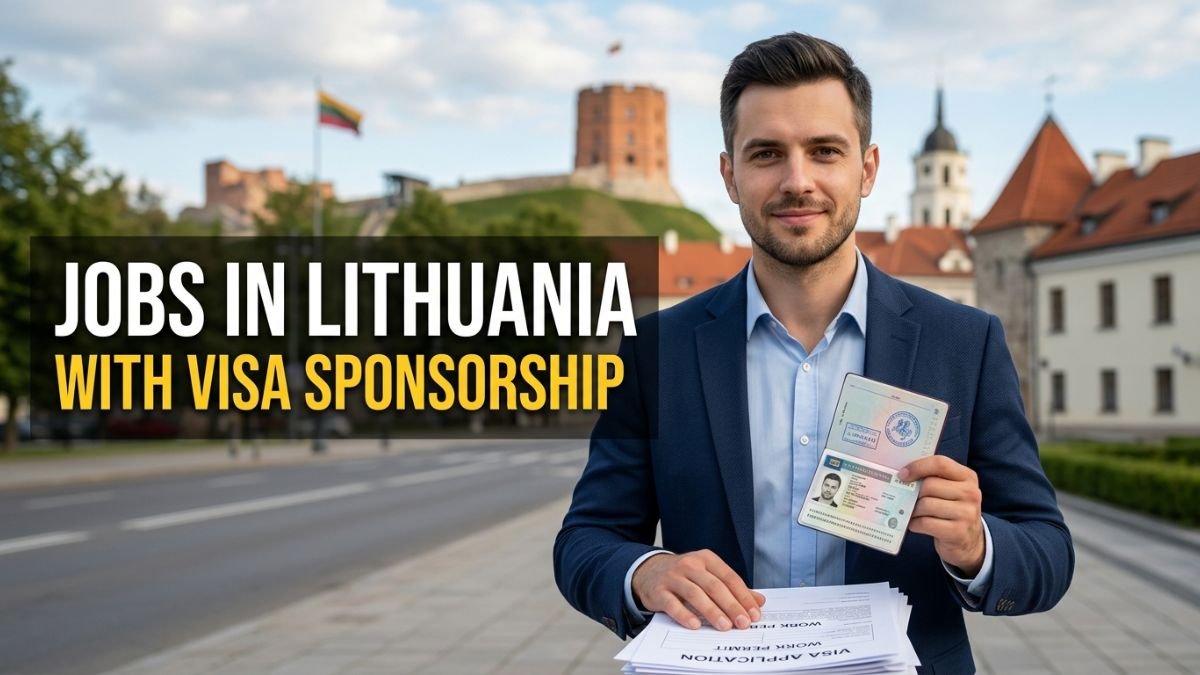
Lithuania has become an attractive destination for international workers seeking employment opportunities in Europe. This Baltic nation offers various job positions for foreign workers, including those with limited skills or experience.
Many Lithuanian employers are willing to sponsor work visas for qualified candidates who can fill labor shortages in different sectors.

Understanding Work Opportunities in Lithuania
The Lithuanian job market welcomes foreign workers across multiple industries. The country faces workforce shortages in several sectors, creating openings for international applicants. Employers in Lithuania often sponsor work visas when they cannot find suitable local candidates for available positions.
Foreign workers can find opportunities in manufacturing, agriculture, construction, hospitality, and service industries. These sectors frequently hire workers with basic skills and provide on-the-job training. The demand for workers remains steady throughout the year, with seasonal peaks in certain industries.
Common Job Sectors Offering Visa Sponsorship
Manufacturing and Production
Lithuanian factories and production facilities regularly hire foreign workers for assembly line positions, packaging jobs, and quality control roles. These positions typically require minimal previous experience and offer practical training during employment. Workers handle product manufacturing, equipment operation, and basic maintenance tasks.

Construction Industry
Construction companies across Lithuania need workers for various building projects. Available positions include general laborers, helpers, and specialized trade assistants. Many construction firms sponsor visas for reliable workers willing to learn and work in different weather conditions.
Agriculture and Food Processing
Farms and food processing plants hire seasonal and year-round workers. Tasks include harvesting crops, sorting produce, operating machinery, and maintaining agricultural equipment. These jobs suit workers with physical stamina and willingness to perform manual labor.
Hospitality and Tourism
Hotels, restaurants, and tourist facilities employ foreign workers in housekeeping, kitchen assistance, cleaning, and service roles. These positions offer opportunities to learn new skills while earning steady income. Many employers provide accommodation or housing assistance.
Warehouse and Logistics
Distribution centers and warehouses need workers for picking, packing, loading, and organizing goods. These jobs involve physical work but typically include training and clear work schedules.
Basic Requirements for Foreign Workers
Most employers in Lithuania look for candidates who meet certain basic criteria. Workers should be physically fit for manual labor positions and willing to follow workplace safety rules. Previous work experience helps but is not always mandatory for entry-level positions.
Language requirements vary by employer and position. While knowing Lithuanian or Russian is beneficial, many companies hire workers with basic English skills. Some employers provide language support or training to help foreign workers communicate effectively.
Valid identification documents, health certificates, and clean background checks are standard requirements. Applicants should be prepared to provide these documents during the application process.
Work Visa Process Overview
The work visa process in Lithuania involves several steps. First, an employer must offer a job position and agree to sponsor the work permit. The employer submits necessary documents to Lithuanian immigration authorities on behalf of the worker.
Once approved, the worker receives authorization to apply for a work visa at a Lithuanian embassy or consulate in their home country. The visa allows legal entry into Lithuania for employment purposes. Processing times vary depending on the applicant’s nationality and documentation completeness.
Work permits in Lithuania are typically issued for specific employers and job positions. Workers must maintain employment with their sponsoring employer to keep their legal status valid.
Salary Expectations and Working Conditions
| Job Category | Average Monthly Salary (EUR) | Typical Work Hours |
|---|---|---|
| Manufacturing Worker | 800 – 1,200 | 40 hours per week |
| Construction Laborer | 900 – 1,400 | 40-48 hours per week |
| Agricultural Worker | 700 – 1,000 | Varies by season |
| Hospitality Staff | 750 – 1,100 | 40 hours per week |
| Warehouse Worker | 850 – 1,300 | 40 hours per week |
Salaries for foreign workers in Lithuania depend on the industry, experience level, and specific employer. Most positions pay the minimum wage or above, with overtime compensation for extra hours worked. Employers typically pay salaries monthly through bank transfers.
Working conditions in Lithuania follow European Union labor standards. Workers receive employment contracts outlining their duties, salary, working hours, and benefits. Most full-time positions include paid vacation days, sick leave, and social security contributions.
Finding Legitimate Job Opportunities
Several methods exist for finding genuine job offers with visa sponsorship in Lithuania. Online job portals list current vacancies from Lithuanian employers. International recruitment agencies specialize in placing foreign workers with sponsoring companies.
Workers should research employers before applying and verify that job offers are legitimate. Genuine employers never ask for payment to process job applications or visa sponsorship. Be cautious of offers that seem too good to be true or request money upfront.
Networking with other foreign workers already employed in Lithuania can provide valuable insights and job leads. Social media groups and online forums dedicated to working in Lithuania share useful information and experiences.
Living in Lithuania as a Foreign Worker
Lithuania offers a reasonable cost of living compared to Western European countries. Accommodation, food, and transportation expenses are manageable on typical worker salaries. Many employers assist with finding housing or provide dormitory accommodation for foreign workers.
The country has functioning public transportation systems in major cities. Healthcare services are available through the national health insurance system, which employers contribute to for their workers. Basic amenities and services are accessible in most areas where job opportunities exist.
Important Considerations
Foreign workers should understand their rights and responsibilities under Lithuanian employment law. Keep copies of all important documents, including work permits, employment contracts, and identification papers. Stay informed about visa renewal requirements and maintain legal status throughout employment.
Learning basic Lithuanian phrases helps with daily life and workplace communication. Respecting local customs and workplace culture contributes to positive working relationships. Save money regularly and manage finances carefully while working abroad.