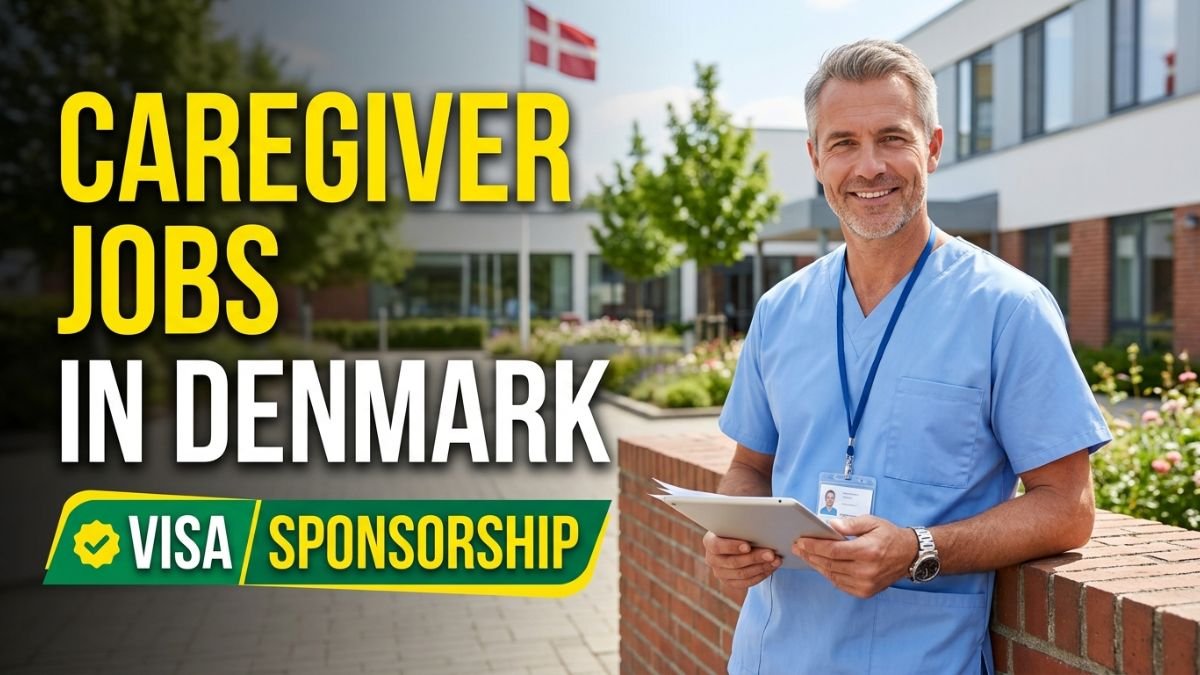
Caregiver Jobs in Denmark with Visa Sponsorship in 2026
Denmark stands as one of Europe’s most attractive destinations for healthcare workers seeking international opportunities. The country faces a growing demand for qualified caregivers, creating real prospects for foreign workers who want to build careers in this Nordic nation.
Danish healthcare facilities and elderly care centers actively recruit international caregivers to fill positions across the country.

Understanding the Danish Caregiving Sector
The healthcare system in Denmark maintains high standards of patient care and worker conditions. Caregivers work in hospitals, nursing homes, assisted living facilities, and private homes. Your main duties include helping elderly or disabled persons with daily activities, monitoring health conditions, providing emotional support, and ensuring patient comfort and safety.
Denmark’s aging population continues to grow, which means healthcare facilities need more caregivers each year. This creates stable employment opportunities for foreign workers willing to relocate and work in this field.
Types of Caregiver Positions Available
Healthcare facilities in Denmark offer several caregiver roles suitable for workers with different skill levels:
Personal Care Assistants help clients with basic daily activities like bathing, dressing, and eating. This position requires patience and good communication skills but minimal formal training.

Home Care Workers visit elderly people living independently and provide support with household tasks, medication reminders, and companionship. These roles offer flexible schedules and direct interaction with clients.
Nursing Home Assistants work in residential facilities, supporting nurses with patient care, meal preparation, and activity coordination. This position involves shift work including evenings and weekends.
Healthcare Assistants perform basic medical tasks under nurse supervision, such as taking vital signs, wound care, and mobility assistance. This role requires some healthcare training or certification.
Visa Sponsorship Process Explained
Foreign workers need proper authorization to work legally in Denmark. Visa sponsorship means your employer handles most paperwork and supports your work permit application. The process involves several steps:
Your Danish employer must first prove they cannot find suitable candidates within Denmark or the European Union. Once approved, they send you a job contract and invitation letter. You then apply for a work and residence permit through the Danish Immigration Service.
The standard work permit allows you to live and work in Denmark for the contract duration, typically one to four years. After this period, you may apply for renewal if your employment continues.
Essential Requirements and Qualifications
Most caregiver positions in Denmark accept workers without advanced degrees, but certain qualifications improve your chances:
You must be at least 18 years old and have completed basic education. Previous experience in caregiving, even informal care for family members, strengthens your application. Some employers prefer workers with healthcare certificates or training courses, but many provide on-the-job training.
English proficiency helps with initial communication, though learning Danish becomes necessary for long-term success. Many employers offer Danish language classes as part of employment packages.
Physical fitness matters because caregiving involves lifting, bending, and standing for extended periods. You should possess patience, empathy, and genuine interest in helping others.
Salary and Benefits Overview
Caregiver salaries in Denmark reflect the country’s high cost of living but provide comfortable earnings compared to many other nations. Entry-level caregivers typically earn between 22,000 and 28,000 Danish Kroner monthly before taxes.
| Position Level | Monthly Salary Range (DKK) | Approximate USD Equivalent |
|---|---|---|
| Entry-Level Caregiver | 22,000 – 25,000 | 3,200 – 3,600 |
| Experienced Caregiver | 25,000 – 30,000 | 3,600 – 4,300 |
| Specialized Healthcare Assistant | 30,000 – 35,000 | 4,300 – 5,000 |
Benefits include paid vacation of at least five weeks annually, sick leave, pension contributions, and health insurance. Many employers provide housing assistance or accommodation, particularly helpful when you first arrive.
Finding Legitimate Employer Sponsors
Start your job search through official channels to avoid scams. The Danish government’s Work in Denmark website lists verified employers seeking foreign workers. International recruitment agencies specializing in healthcare placements also connect workers with legitimate Danish facilities.
Research potential employers thoroughly. Legitimate companies have established websites, physical addresses, and registered business numbers. They never ask for payment to process your application or secure employment.
Healthcare organizations like municipalities, private care companies, and hospital networks regularly post caregiver vacancies. Networking with current foreign workers in Denmark through online forums provides valuable insights about genuine opportunities.
Application Process and Documentation
Prepare a clear resume highlighting your caregiving experience, skills, and education. Include reference letters from previous employers if available. Write a simple cover letter explaining why you want to work as a caregiver in Denmark and what you can offer.
Required documents typically include your passport, educational certificates, work experience letters, health clearance, and police clearance certificate. Some employers require background checks from your home country.
Application processing takes several months from job offer to work permit approval. Plan financially for this waiting period and avoid quitting current employment until you receive official approval.
Living and Working Conditions
Denmark offers excellent work-life balance with standard 37-hour work weeks. Overtime receives additional compensation. The workplace culture values equality, with supervisors treating all workers respectfully regardless of position.
Housing costs vary by location, with Copenhagen being most expensive. Smaller cities and rural areas offer affordable accommodation. Public transportation works efficiently across the country, and many employers provide transportation assistance.
Danish society welcomes foreign workers, though cultural adjustment takes time. Join community groups and language classes to build social connections and adapt smoothly to your new environment.