Agriculture Jobs in Switzerland with Visa Sponsorship in 2026
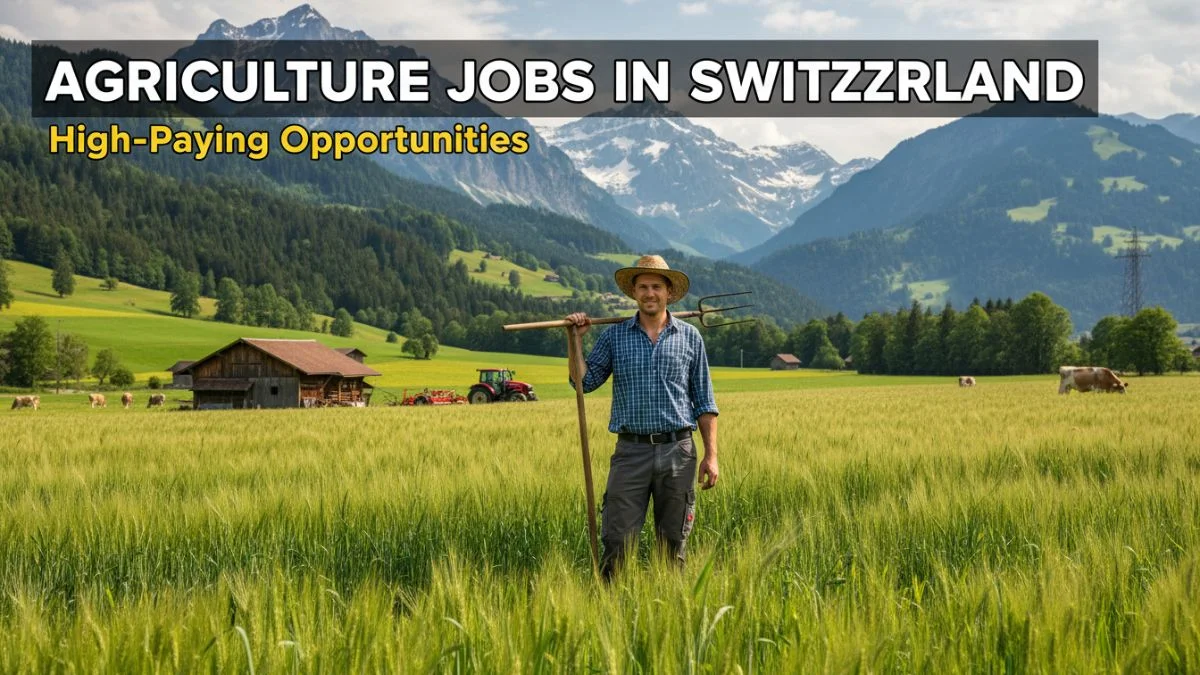
Switzerland is one of the most beautiful and well-paying countries in Europe. Many people from around the world want to work there. The good news is that Switzerland has a real need for workers in the agriculture sector.
Farms, vineyards, orchards, and dairy operations regularly hire foreign workers, and some employers offer visa sponsorship to make it possible.

This article explains everything a job seeker needs to know about finding agriculture work in Switzerland, even without high qualifications or special skills.
Why Switzerland Needs Foreign Agriculture Workers
Swiss farms face a shortage of local workers. Many Swiss residents prefer office or city jobs. This creates open positions in fields like fruit picking, animal care, greenhouse work, and general farm labor. Employers often turn to foreign workers to fill these gaps, and some are willing to support the visa process for the right candidates.
The Swiss agriculture sector contributes significantly to the national economy. Regions like Valais, Graubünden, Ticino, and the Rhine Valley are known for farming and need seasonal or full-time help.
Types of Agriculture Jobs Available
Workers with little or no experience can apply for many roles. Here are common job types found in Swiss agriculture:

- Fruit and vegetable picking – harvesting apples, grapes, strawberries, and other crops
- Greenhouse and nursery work – planting, watering, and maintaining plants
- Dairy farm work – feeding animals, cleaning stalls, helping with milking
- Livestock care – looking after cows, pigs, goats, and poultry
- Field preparation – plowing, planting, fertilizing, and irrigation tasks
- Packing and sorting – organizing harvested produce at farm facilities
- Vineyard work – pruning vines and harvesting grapes (very common in Swiss wine regions)
Most of these roles require physical fitness and willingness to work outdoors. No university degree is needed.
Basic Requirements for Applicants
Switzerland has clear rules for hiring foreign workers. Here is what most employers and Swiss authorities look for:
- Valid passport with at least six months remaining
- Good physical health and ability to do outdoor manual work
- Basic communication skills (German, French, or Italian depending on the region)
- Clean criminal record
- Willingness to follow Swiss farm regulations and work schedules
- For non-EU/EFTA workers, employer-sponsored visa or work permit is required
Workers from EU and EFTA countries have an easier process due to freedom of movement agreements. Workers from outside Europe need a job offer first, and then the employer applies for a work permit on their behalf.
Understanding Visa Sponsorship in Switzerland
Visa sponsorship means that a Swiss employer agrees to support your legal work application. They submit documents to Swiss immigration authorities confirming that you are needed for the job and that no local candidate was available.
Switzerland uses a quota system for non-EU workers. This means only a limited number of permits are issued each year. Getting sponsored is competitive but possible, especially for seasonal roles during harvest periods.
Common permit types for agriculture workers:
| Permit Type | Who It Is For | Duration |
|---|---|---|
| L Permit (Short-term) | Seasonal and contract workers | Up to 1 year |
| B Permit (Residence) | Long-term employed workers | 1 year, renewable |
| EU/EFTA Agreement | Workers from EU or EFTA nations | Flexible |
Seasonal workers often get the L Permit, which can sometimes be renewed if the employer continues to need help.
Salary and Working Conditions
Switzerland offers some of the highest agricultural wages in Europe. Pay varies by job type, region, and employer, but general expectations include:
- Hourly rates typically range from CHF 18 to CHF 25 for basic farm roles
- Some employers provide housing and meals, which reduces living costs
- Working hours follow Swiss labor law, usually 45 to 50 hours per week
- Overtime pay applies when workers exceed standard hours
- Workers have the right to rest days and basic health coverage
Living in Switzerland is expensive, but with employer-provided accommodation, savings are possible.
How to Find and Apply for These Jobs
Finding legitimate agriculture jobs in Switzerland requires using trusted platforms and direct employer contact. Here are practical steps to follow:
- Search on Swiss job portals – websites like jobs.ch, jobup.ch, and agri-jobs.ch list verified openings
- Contact Swiss farming organizations – groups like AgriAliForm and Agroscope sometimes list worker needs
- Use European job mobility tools – the EURES portal (run by the EU) lists agriculture jobs across Europe including Switzerland
- Reach out to Swiss embassies – they can provide official guidance on work permit procedures in your country
- Apply directly to farms – many Swiss farms post job ads on their own websites, especially before harvest seasons
Always apply with a simple, honest CV. Mention physical work experience, any farming background, and your availability. Avoid using fake documents. Swiss authorities check everything carefully.
Frequently Asked Questions
Can unskilled workers get agriculture jobs in Switzerland with visa sponsorship?
Yes, many Swiss farms hire workers with no formal qualifications, especially for seasonal harvesting and livestock care roles where physical ability matters more than education.
Which months have the most agriculture job openings in Switzerland?
Spring and late summer through autumn are peak hiring seasons, particularly for fruit picking and vineyard work from around March to October.
Is it possible to renew a seasonal work permit in Switzerland?
Yes, seasonal permits can often be renewed if the employer continues to need the worker and the renewal request meets Swiss immigration requirements.