Teaching Jobs in Austria with Visa Sponsorship 2026
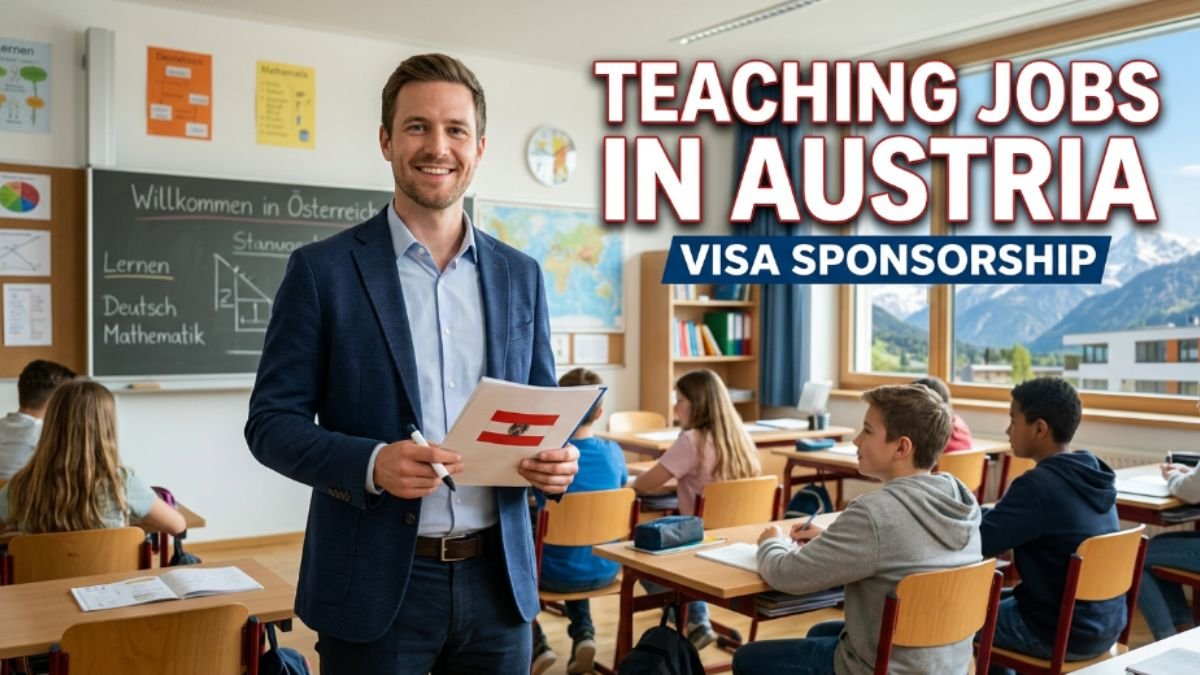
Austria offers steady opportunities for foreign teachers, especially in English language instruction, private language schools, and international schools. While the country maintains high standards for its education sector, there are practical pathways for non-EU citizens who want to teach in Austria and receive visa sponsorship from an employer.
This guide explains the requirements, visa process, salary expectations, and application steps in simple terms so you can understand exactly what is needed before you apply.

Why Consider Teaching in Austria
Austria is known for its strong economy, high quality of life, and well-organized education system. Cities like Vienna, Salzburg, and Innsbruck host many private language schools and international schools that regularly look for qualified foreign teachers. The demand is strongest for English teachers, since English is a required subject for Austrian students starting from an early age.
Foreign teachers are also needed in international schools that follow British, American, or International Baccalaureate curriculums, as these institutions often prefer native or fluent English speakers.
Who Can Apply
Teaching positions in Austria are not entry-level jobs in the same way as cleaning or warehouse work. Schools and language institutes expect candidates to meet certain academic and professional standards. That said, the requirements can vary depending on the type of teaching role.
Common requirements include:

- A bachelor’s degree, preferably in education or a related subject
- A TEFL, CELTA, or Trinity CertTESOL certificate for English teaching positions
- Teaching experience, though some short-term or summer programs accept candidates with limited experience
- A recognized teaching license or diploma from your home country, which strengthens your application
- Basic to intermediate German language skills, particularly for public school roles
If you are teaching English specifically in a private language school or international school, German fluency is often not required. However, if you plan to teach any subject other than English in the public education system, a strong grasp of German is generally expected.
Types of Teaching Roles Open to Foreigners
| Role Type | Typical Requirement | German Language Needed |
|---|---|---|
| Private language school teacher | TEFL certificate, bachelor’s degree | Usually not required |
| International school teacher | Teaching qualification, degree, experience | Sometimes required |
| Public school teacher | Recognized teaching license, degree | Yes, B2 level or higher |
| Summer camp or short-term teacher | TEFL certificate, limited experience accepted | Not required |
| Private tutor | Subject knowledge, sometimes informal | Depends on student |
Visa Sponsorship and Work Permit Process
Non-EU citizens cannot legally teach in Austria without proper authorization. There are two main pathways worth understanding.
Employer-Sponsored Work Visa Once a school or institute offers you a position, the employer typically supports your visa application by providing the necessary documentation and confirming your job offer. This sponsorship allows you to legally live and work in Austria for the length of your contract.
Red-White-Red Card This is a residence and work permit designed for skilled workers, including teachers, and it allows you to live and work in Austria for up to two years. It is generally issued to candidates who meet Austria’s points-based criteria, which considers qualifications, work experience, and language ability.
Jobseeker Visa If you have not yet secured a teaching position, you may apply for a six-month jobseeker visa. This allows you to enter Austria, attend interviews in person, and search for a suitable teaching role. Many private language schools prefer face-to-face interviews, so this option can be useful if you want to apply while already in the country.
EU and EEA citizens do not need a visa to work in Austria but must register with local authorities within three months of arrival.
Documents Usually Needed for the Visa Application
- Valid passport
- Signed employment contract or job offer letter
- Proof of academic qualifications and teaching certificates
- Proof of health insurance coverage
- Proof of accommodation in Austria
- Passport-sized photographs
- Completed visa application form
Since visa procedures can be updated by Austrian authorities, it is always best to confirm current document requirements through the official Austrian government immigration website before applying.
Salary Expectations
Teaching salaries in Austria vary depending on the school type, subject, and your qualifications. English teachers working in private language schools generally earn between 1,600 and 2,500 euros per month. International school teachers with strong qualifications and experience can earn significantly more, while public school teachers with full certification often receive higher and more stable pay scales.
Keep in mind that the cost of living in cities like Vienna is relatively high, so it helps to research housing costs in your target city before accepting an offer.
Best Hiring Periods
Austrian schools generally hire during two main periods:
- September, at the start of the academic year
- January, after the winter break
Hiring tends to slow down in August and during the Christmas holiday period. Applying a few months ahead of these hiring windows improves your chances of securing interviews.
Steps to Apply for Teaching Jobs in Austria
- Prepare your academic documents, teaching certificates, and a professional resume
- Earn a TEFL, CELTA, or similar certification if you plan to teach English
- Search for open positions through international school recruitment platforms, teaching job boards, and language school websites
- Apply directly and prepare for interviews, which are often conducted in person
- Once hired, work with your employer to begin the visa sponsorship or work permit process
- Arrange health insurance and confirm accommodation before your travel date
Final Thoughts
Teaching in Austria is achievable for foreign candidates who meet the academic and certification requirements, particularly in English language instruction. While the process requires proper documentation and, in many cases, a recognized qualification, employer sponsorship makes it possible to work legally and build a stable teaching career in one of Europe’s most livable countries. Checking official Austrian immigration sources regularly will help you stay updated on any changes to visa rules or requirements.