Labour Jobs in Australia with Visa Sponsorship
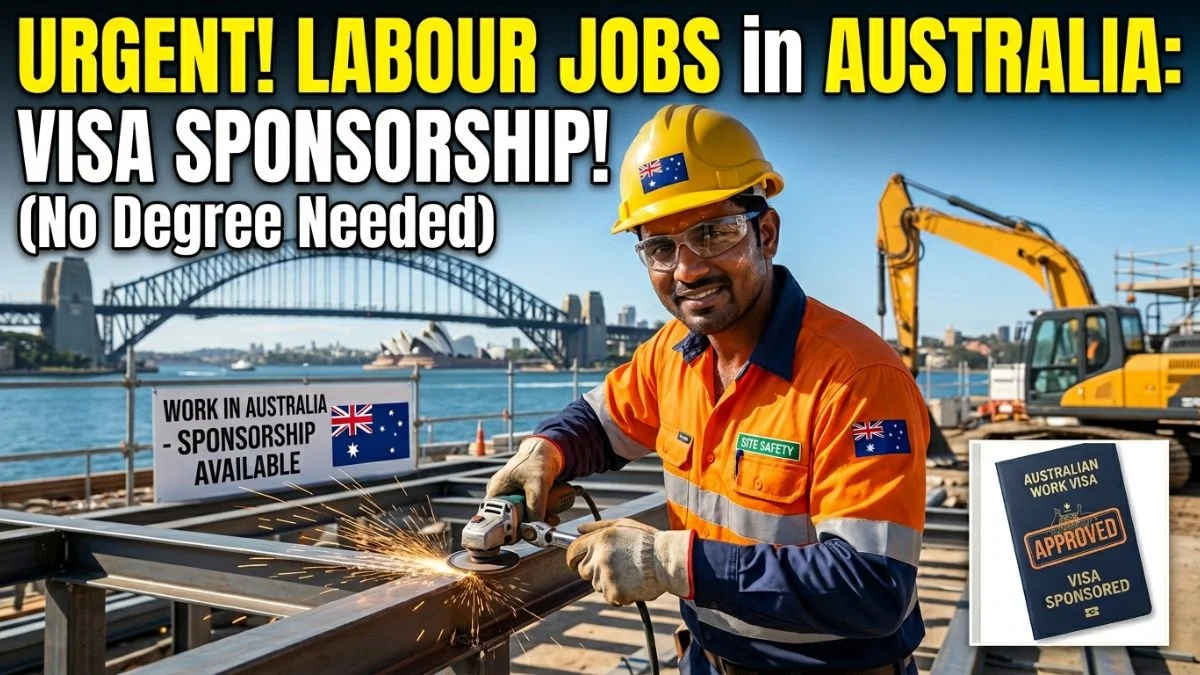
Australia continues to welcome international workers to fill essential labour positions across various industries. The country faces significant workforce shortages in many sectors, making it an attractive destination for those seeking employment opportunities with visa sponsorship. This article provides practical information about securing labour jobs in Australia with employer-sponsored visas.
Understanding Visa Sponsorship for Labour Workers
Visa sponsorship means an Australian employer agrees to support your visa application and hire you for a specific position. The employer must demonstrate they cannot find suitable Australian workers for the role before sponsoring an overseas worker. This process ensures genuine job opportunities exist while protecting the local labour market.

The most common visa pathways for labour workers include the Temporary Skill Shortage visa (subclass 482) and the Employer Nomination Scheme (subclass 186). Some regional employers can also sponsor workers through specific regional visa programs. Each visa has different requirements, processing times, and costs.
Industries Offering Labour Jobs with Sponsorship
Several Australian industries actively seek international workers for labour positions. These sectors face ongoing staff shortages and regularly sponsor overseas workers.
Agriculture and farming remains one of the largest employers of sponsored labour workers. Positions include farm hands, fruit pickers, livestock workers, and machinery operators. Regional farms and agricultural businesses often provide sponsorship opportunities, especially during peak seasons.
Construction and infrastructure projects across Australia require skilled and semi-skilled labour. Jobs include general labourers, construction workers, scaffolders, concreters, and demolition workers. Major cities and regional areas developing new infrastructure frequently sponsor workers for these roles.

Hospitality and tourism establishments hire kitchen hands, cleaners, waitstaff, and hotel workers. While some positions require experience, many employers train workers on the job. Coastal regions and tourist destinations particularly need workers in these areas.
Manufacturing and warehousing facilities employ machine operators, production workers, packers, and forklift operators. Food processing plants, factories, and distribution centers regularly sponsor international workers.
Aged care and disability support services need personal care assistants, support workers, and cleaners. This growing sector offers numerous opportunities as Australia’s population ages.
Common Labour Positions Available
| Job Category | Typical Roles | Average Hourly Pay (AUD) |
|---|---|---|
| General Labour | Construction labourer, factory worker | $25 – $30 |
| Agriculture | Farm worker, fruit picker, livestock handler | $24 – $28 |
| Hospitality | Kitchen hand, cleaner, room attendant | $23 – $27 |
| Warehousing | Packer, forklift operator, stocker | $25 – $32 |
| Support Services | Aged care assistant, disability support worker | $26 – $35 |
These rates represent current market averages and may vary by location and employer. Regional areas sometimes offer higher wages to attract workers.
Basic Requirements for Sponsored Labour Jobs
Most labour positions with visa sponsorship require you to meet certain criteria. You must be between 18 and 45 years old for most visa categories, though some exceptions exist. Basic English language ability is essential, usually proven through IELTS or similar tests. A score of 5.0 overall is typically sufficient for labour positions.
You need good health and must pass medical examinations. Character requirements include police clearances from countries where you have lived for 12 months or more in the past 10 years. Some positions require specific qualifications or licenses, though many entry-level labour jobs only need willingness to work and basic physical fitness.
Previous work experience helps your application, even if from your home country. Employers value reliability, punctuality, and the ability to follow safety procedures. References from past employers strengthen your chances significantly.
Finding Employers Who Sponsor Workers
Several methods help you locate Australian employers offering visa sponsorship for labour positions. Online job boards like Seek, Indeed Australia, and Jora list positions with sponsorship opportunities. Search filters often include visa sponsorship options.
Recruitment agencies specializing in international workers can match you with suitable employers. Some agencies focus specifically on agriculture, construction, or hospitality sectors. They handle much of the application process and communicate directly with employers.
Government websites provide lists of approved sponsors and occupations in demand. The Department of Home Affairs maintains current information about visa programs and eligible occupations. State and territory government websites also list regional opportunities.
Directly contacting businesses in regional areas can be effective. Smaller towns and rural communities often struggle to find workers and may consider sponsorship for reliable candidates. Research areas with known labour shortages and approach employers professionally.
Application Process and Timeline
The sponsorship process involves several steps. First, you must secure a job offer from an approved sponsor. The employer then nominates you for the position and submits required documentation to immigration authorities. This includes proving they advertised locally and could not find suitable Australian workers.
Once nomination is approved, you submit your visa application with supporting documents. These include identity documents, skills assessments if required, English test results, health checks, and police certificates. Application fees vary by visa type but typically range from $1,330 to $4,045.
Processing times differ depending on the visa subclass and completeness of your application. Temporary skill shortage visas may process within one to four months. Permanent residence pathways take longer, often six to twelve months. Providing all documents correctly the first time speeds up processing considerably.
Living and Working Conditions
Australia maintains strict workplace laws protecting all workers including visa holders. You receive the same minimum wages and conditions as Australian citizens. The national minimum wage is currently $23.23 per hour, though most labour positions pay above this rate.
Employers must provide safe working conditions and appropriate equipment. You are entitled to leave entitlements, superannuation contributions, and workplace injury compensation. Understanding your rights prevents exploitation and ensures fair treatment.
Accommodation varies by location and employer. Some regional employers provide housing as part of employment packages, while city workers typically arrange their own accommodation. Living costs differ significantly between major cities and regional areas, with regional locations generally more affordable.
Challenges and Practical Considerations
Moving to Australia for work involves challenges you should consider carefully. Being away from family and adjusting to a new culture takes time. Different work practices and communication styles require patience and adaptation.
Climate varies dramatically across Australia. Northern regions are tropical and hot, while southern areas experience cooler winters. Physical labour in Australian heat demands proper hydration and sun protection.
Financial planning is crucial. You need funds for visa fees, travel, initial accommodation, and living expenses until your first paycheck. Most visas require proof of sufficient funds to support yourself initially.
Language barriers can create difficulties even with basic English skills. Australian workplace slang and accents may take time to understand fully. Continuing to improve your English helps both professionally and personally.
Future Pathways and Opportunities
Many temporary visa holders transition to permanent residence through employer sponsorship or skilled migration programs. Building your skills, maintaining good employment records, and establishing yourself in regional areas can open permanent pathways.
Some workers use labour positions as stepping stones to skilled careers. Gaining Australian work experience and improving qualifications can lead to better opportunities. Vocational training and apprenticeships are accessible to visa holders in many cases.
Australia values workers who contribute positively to communities. Demonstrating commitment, reliability, and integration into Australian society improves your prospects for long-term settlement. Many current Australian citizens began their journey through sponsored labour positions.