Warehouse Operator Jobs in Australia with Visa Sponsorship
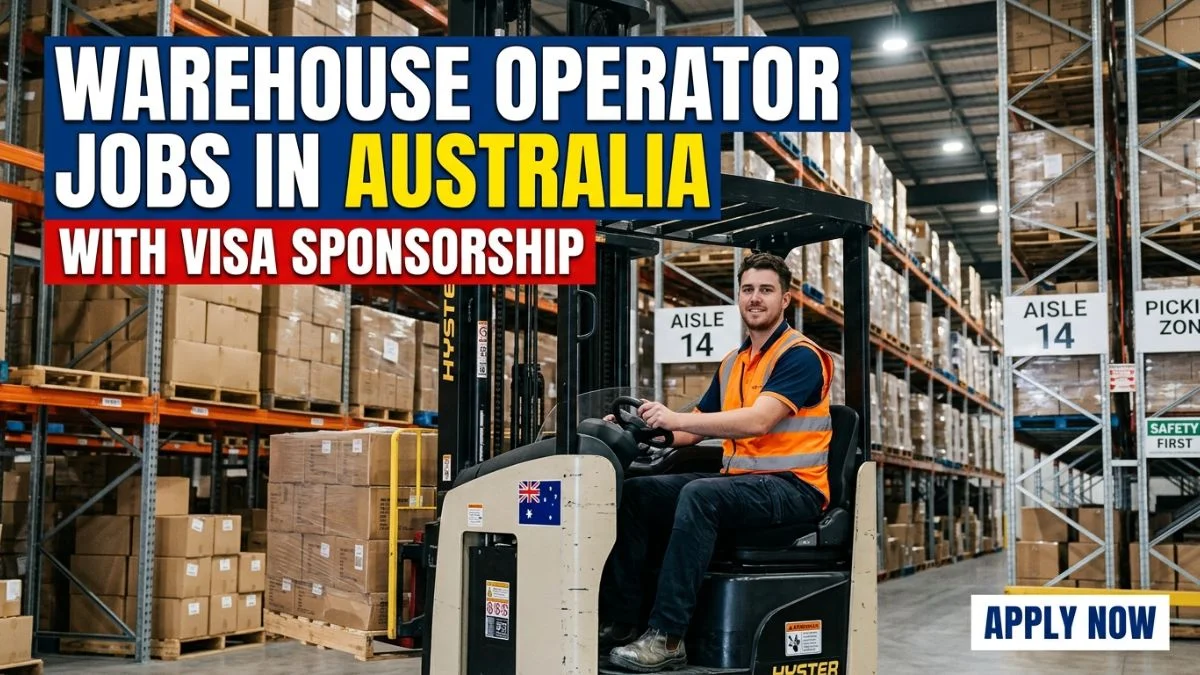
Australia’s logistics and warehousing sector continues to grow steadily, creating numerous opportunities for international workers seeking employment with visa sponsorship.
This industry requires reliable workers who can handle various warehouse tasks, making it an accessible field for individuals with basic skills and a strong work ethic.

Understanding Warehouse Operator Roles
Warehouse operators perform essential duties that keep supply chains moving smoothly. These positions involve receiving goods, organizing inventory, picking and packing orders, loading and unloading trucks, and maintaining clean work areas. The role requires physical stamina, attention to detail, and the ability to work as part of a team.
Most warehouse positions do not require advanced qualifications or extensive experience. Employers typically look for workers who demonstrate reliability, punctuality, and willingness to learn. Basic English communication skills help workers understand safety instructions and collaborate with colleagues effectively.
Types of Warehouse Positions Available
General Warehouse Workers handle multiple tasks including sorting products, labeling items, and preparing orders for shipment. These entry-level positions offer the easiest pathway for international applicants.
Forklift Operators move heavy materials using specialized equipment. This role requires a forklift license, which many employers help workers obtain after hiring.

Order Pickers locate specific items in storage areas and prepare them for delivery. This position involves walking considerable distances and lifting moderately heavy objects.
Packers wrap, box, and secure products for transportation. Attention to detail is crucial to prevent damage during shipping.
Storepersons manage inventory levels, track stock movements, and ensure accurate record keeping.
Salary Expectations and Working Conditions
Warehouse operators in Australia typically earn between AUD 23 to AUD 28 per hour for entry-level positions.
Full-time workers can expect annual salaries ranging from AUD 48,000 to AUD 58,000 before tax. Experienced operators and those with specialized skills like forklift operation may command higher wages.
Many warehouse positions offer additional benefits:
- Overtime opportunities at higher pay rates
- Shift allowances for evening and night work
- Penalty rates for weekend shifts
- Paid breaks and meal allowances
- Uniform provision and safety equipment
- Training programs for skill development
Working hours vary depending on the employer. Some warehouses operate standard business hours, while others run 24-hour operations requiring shift work. Understanding shift requirements before accepting a position helps workers prepare accordingly.
Visa Sponsorship Options
International workers can access warehouse jobs through several visa pathways. The Temporary Skill Shortage (TSS) visa allows employers to sponsor skilled workers when they cannot find suitable Australian candidates. Some warehouse positions qualify under this program, particularly those requiring specific technical skills.
The Skilled Employer Sponsored Regional (Provisional) visa targets workers willing to live and work in regional Australia. Many warehouses in regional areas actively seek international workers due to local labor shortages.
Working Holiday visas permit young adults from eligible countries to work in Australia temporarily. While these visas have age restrictions and time limits, they provide valuable Australian work experience.
Finding Employers Who Offer Sponsorship
Major logistics companies, retail distribution centers, and manufacturing facilities frequently sponsor international workers. Large employers with ongoing staffing needs are more likely to handle visa sponsorship processes.
Popular job search websites include Seek, Indeed Australia, Jora, and LinkedIn. When searching, use keywords like “visa sponsorship,” “international applicants welcome,” or “sponsorship available.” Regional job boards often list positions in areas with higher demand for workers.
Recruitment agencies specializing in warehouse and logistics placements can connect international applicants with sponsoring employers. These agencies understand visa requirements and match candidates with suitable opportunities.
Application Requirements
Most employers require applicants to submit:
- Updated resume highlighting relevant work experience
- Cover letter expressing interest and availability
- Copies of identification documents
- Reference contacts from previous employers
- Proof of qualifications or certifications
Some positions require police clearance certificates or medical examinations. Gathering these documents early speeds up the application process.
Essential Skills and Qualifications
While formal qualifications are not always mandatory, certain certifications increase employability:
- Forklift license (High Risk Work License)
- Order picking certification
- Occupational Health and Safety training
- First aid certificate
- Manual handling training
Physical fitness is important as warehouse work involves standing for extended periods, lifting objects up to 20 kilograms, and repetitive movements. Workers must follow safety protocols to prevent injuries.
Preparing for Success
Research Australian workplace culture before arrival. Australian workplaces value teamwork, direct communication, and punctuality. Understanding these expectations helps international workers integrate smoothly.
Improve English language skills if necessary. While fluency is not always required, basic communication ability ensures workplace safety and efficiency.
Be prepared for practical assessments during interviews. Employers may test physical capabilities, basic literacy, and problem-solving skills.
Regional Opportunities
Regional areas across New South Wales, Victoria, Queensland, South Australia, and Western Australia offer abundant warehouse positions. Cities like Bendigo, Toowoomba, Dubbo, and Bunbury actively recruit international workers for their distribution centers.
Regional employment often provides pathways to permanent residency through state nomination programs. Living costs in regional areas are typically lower than major cities, allowing workers to save more income.
Making Your Application Stand Out
Highlight reliability, flexibility, and willingness to work various shifts in your application. Emphasize any previous warehouse experience, even if gained in your home country.
Demonstrate commitment to staying with the employer long-term. Companies invest time and money in visa sponsorship, so they prefer candidates planning extended employment.
Be honest about your visa situation and timeline requirements. Transparency builds trust with potential employers.
Important Considerations
Understand that visa sponsorship processes take time. Applications may require several months for approval. Plan accordingly and maintain financial reserves during waiting periods.
Research the specific requirements for your visa category. Different visas have varying conditions regarding work hours, employer changes, and family accompaniment.
Australia maintains high workplace safety standards. All workers receive proper training and protective equipment. Never compromise safety for speed or productivity.
Warehouse work provides genuine opportunities for international workers seeking Australian employment. With determination, proper preparation, and realistic expectations, this pathway can lead to stable income and potential permanent residency in Australia.